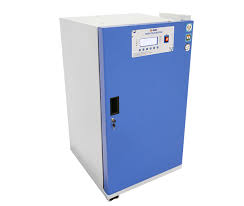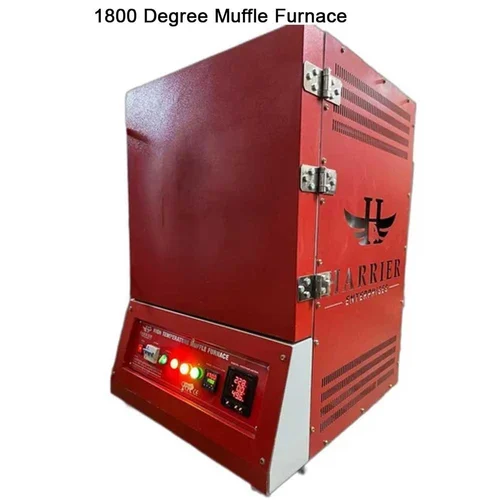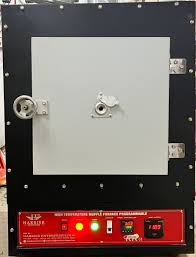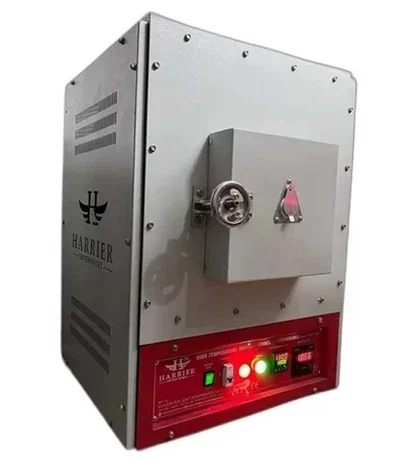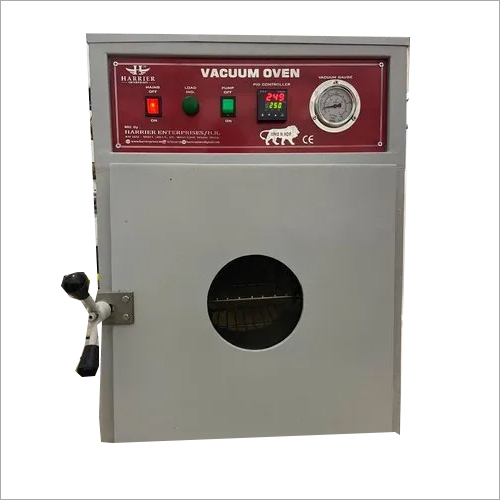

A laboratory incubator is an essential piece of equipment widely used in biological, microbiological, and pharmaceutical laboratories. It provides a controlled environment for the growth, incubation, and storage of cultures by maintaining precise temperature, humidity, and sometimes CO₂ levels. Laboratory incubators play a vital role in research, diagnostics, and quality control processes.
Working Principle of Incubator
The laboratory incubator principle is based on maintaining optimal environmental conditions required for the growth of microorganisms, cells, or biological samples.
The incubator uses an internal heating system, usually electric heating elements, to maintain a constant temperature. A temperature sensor continuously monitors the internal environment and sends feedback to the controller, which adjusts the heating to keep the temperature stable. Most standard laboratory incubators operate within a temperature range of 5°C above ambient to 60°C, though specialized incubators can achieve wider ranges.
Air circulation fans ensure uniform temperature distribution throughout the chamber. In advanced incubators, additional controls for humidity and carbon dioxide concentration are included to support sensitive cell cultures. The insulated chamber prevents heat loss and protects samples from external environmental fluctuations.
Uses of Laboratory Incubators
Laboratory incubators are used in various scientific and industrial applications, including:
- Microbiology Laboratories: Incubators are used to grow and maintain bacterial and fungal cultures under controlled temperature conditions for research and testing.
- Cell and Tissue Culture: In biotechnology and medical research, incubators support the growth of mammalian and plant cells by maintaining stable conditions.
- Pharmaceutical Industry: Incubators are used for stability testing, quality control, and microbial limit testing of drugs and formulations.
- Clinical and Diagnostic Labs: They help in culturing samples for disease diagnosis and pathogen identification.
- Food and Beverage Industry: Incubators are used for microbial analysis and quality assurance of food products.
- Academic and Research Institutions: Universities and research centers rely on incubators for experiments and student training.
Examples of Laboratory Incubators
Different types of laboratory incubators are available based on specific applications:
- Bacteriological Incubator: Used primarily for bacterial culture growth at controlled temperatures.
- Biochemical Oxygen Demand (BOD) Incubator: Designed for environmental studies and water testing, maintaining low-temperature incubation.
- CO₂ Incubator: Used for cell culture applications requiring controlled carbon dioxide and humidity levels.
- Shaking Incubator: Combines incubation with shaking action for uniform mixing and oxygen transfer.
- Humidity Incubator: Maintains controlled humidity levels for specialized research needs.
Role of Harrier Enterprises
Harrier Enterprises, a trusted supplier of laboratory and scientific equipment, offers high-quality laboratory incubators designed for precision, durability, and consistent performance.Choosing the right laboratory incubator is crucial for accurate and reliable results. Our incubators are widely used in research labs, pharmaceutical industries, educational institutions, and diagnostic centers.
Harrier Enterprises focuses on advanced temperature control systems, robust construction, and user-friendly designs to meet diverse laboratory requirements. Our solutions help laboratories maintain compliance with quality standards while ensuring reliable incubation conditions.
Conclusion:
A laboratory incubator is a fundamental tool that enables controlled growth and incubation of biological samples. Based on a simple yet precise working principle, incubators support a wide range of applications across microbiology, pharmaceuticals, healthcare, and research. With reliable equipment from providers like Harrier Enterprises, laboratories can achieve accurate results, improved efficiency, and long-term operational reliability.