In modern biological and clinical laboratories, precision and controlled environments are essential for successful research and experiments. One critical piece of equipment that scientists rely on daily is the CO₂ incubator—a specialized instrument designed to cultivate and maintain cell lines, tissues, and microorganisms under highly controlled conditions. Whether you are new to laboratory work or looking to upgrade your equipment, this guide will explain everything you need to know about CO₂ incubators, including their functionality, applications, features, maintenance, and how to choose the right model for your needs.
What Is a CO₂ Incubator?
A CO₂ incubator is a laboratory device that provides a stable, controlled environment by regulating temperature, humidity, and carbon dioxide levels. Unlike regular incubators, CO₂ incubators are specifically engineered to mimic the physiological conditions inside the human body. This makes them ideal for growing mammalian cells, performing tissue culture, and conducting various microbiological and biotechnological experiments.
At its core, a CO₂ incubator maintains:
- Temperature around 37°C (for mammalian cell cultures),
- CO₂ concentration typically between 5% and 10%,
- Relative humidity close to 95%.
These parameters ensure cells grow in conditions that closely resemble the natural human internal environment, optimizing their growth and function.
How Does a CO₂ Incubator Work?
A CO₂ incubator consists of an insulated chamber with systems to control heat, CO₂ gas, and humidity. Below are the essential components and their roles:
1. Temperature Control System
Temperature is maintained using heating elements and sensors. A thermostat or microprocessor continuously monitors the internal temperature, making real-time adjustments to keep it stable.
2. CO₂ Supply and Regulation
The unit connects to an external CO₂ gas cylinder. A sensor called an infrared CO₂ detector (NDIR sensor) measures the gas concentration. Based on feedback, the system adds CO₂ to maintain the desired level.
3. Humidity Control
To prevent cultures from drying out, a water pan at the bottom of the incubator provides high humidity. This also helps prevent evaporation from culture media.
4. Air Filtration
HEPA filters and airflow systems ensure that the internal atmosphere remains sterile and free from contaminants. Constant airflow helps distribute heat and CO₂ evenly.
Features:
When choosing a CO₂ incubator, several features determine performance, reliability, and suitability for your lab applications:
Accurate CO₂ Monitoring: CO₂ levels must be stable and precise. High-quality sensors help avoid fluctuations that could harm sensitive cultures.
Uniform Temperature Distribution: Advanced incubators use forced-air circulation to prevent hot or cold spots—ensuring uniform temperature distribution throughout the chamber.
Contamination Prevention: Features like HEPA filtration, UV sterilization, and stainless steel interiors reduce microbial contamination risk.
User-Friendly Controls: Modern CO₂ incubators offer touchscreen interfaces, remote monitoring, and alarm systems that alert you to deviations in any parameter.
Durability and Serviceability: Reliable construction, easy access for maintenance, and good after-sales support are essential for uninterrupted laboratory operations.
Applications of CO₂ Incubators
CO₂ incubators are essential in many scientific fields
1. Tissue Culture and Cell Biology
Researchers use CO₂ incubators to grow and maintain mammalian cell lines. These are crucial in studying cell behavior, drug responses, genetic engineering, and disease mechanisms.
2. Biotechnology and Biopharmaceuticals
In biotech labs, CO₂ incubators support the production of biologics and vaccines. Controlled environments help cells express proteins, produce antibodies, and generate therapeutic products.
3. Embryology and IVF
In reproductive medicine, CO₂ incubators provide optimal conditions for embryo development during in vitro fertilization (IVF) procedures.
4. Microbiology and Pathogen Research
While standard incubators suffice for many microbes, CO₂ incubators enable growth of capnophilic organisms—microbes that thrive in higher CO₂ conditions.
5. Academic and Clinical Research
Universities and hospitals use CO₂ incubators for diverse studies, from cancer research to regenerative medicine.
Benefits of Using CO₂ Incubators
Precise Environmental Control: Unlike simple incubators, CO₂ incubators tightly regulate key variables—critical for sensitive biological systems.
Improved Reproducibility: Consistent conditions result in repeatable experimental outcomes—a cornerstone of reliable research.
Enhanced Cell Viability: Stable temperature, humidity, and gas concentration minimize stress on cells, leading to healthier, more consistent cultures.
Versatility: Many models support multiple applications, from simple cell maintenance to advanced 3D cultures and complex co-culture experiments.
Choosing a Reliable Manufacturer: Harrier Enterprises
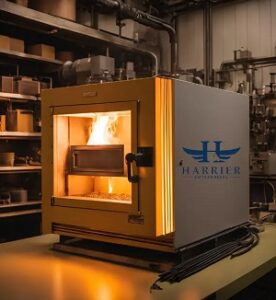
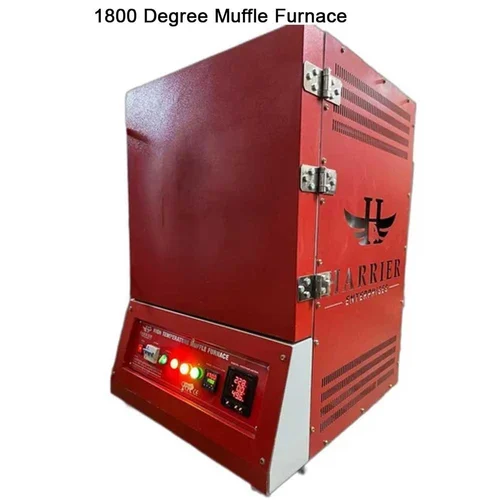
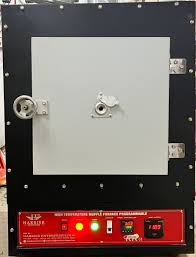
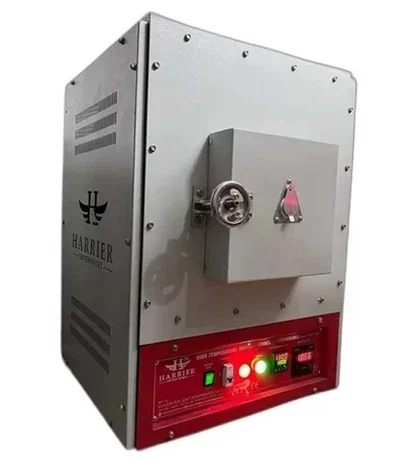
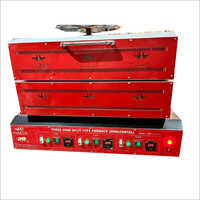
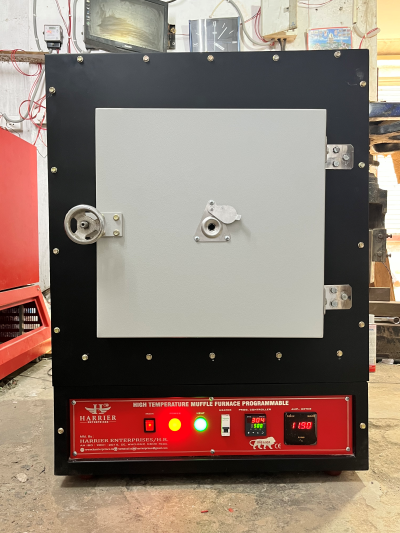
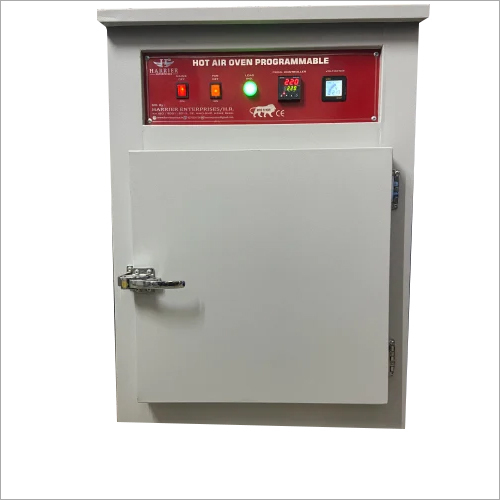
Selecting the right laboratory incubator is a crucial decision that directly impacts the accuracy and reliability of your research outcomes. Harrier Enterprises stands out as a reputable and trusted manufacturer of laboratory incubators, we provide various types of incubator for industrial applications including CO₂ incubators, CO₂ incubator for cell culture, small cell culture incubator, heating block incubator, that play an important role for research and industrial use.
Lab Incubator Price in India
The price of a laboratory incubator in India depends on its type, capacity, and features. Basic bacteriological or laboratory incubators price varies with market and manufacturing factors depending on size and digital controls.
For advanced applications, CO₂ incubators are used in cell culture and research laboratories and its price is based on chamber capacity, gas control accuracy, and additional features like HEPA filtration and sterilization systems.
Factors that influence pricing include temperature accuracy, build quality, automation level, brand reputation, and after-sales support. Before purchasing, laboratories should assess their specific application needs and long-term usage requirements to ensure the best value for investment.
Common Challenges and How to Overcome Them
Despite their benefits, CO₂ incubators require careful management:
- Contamination: Even with filters, contamination can happen. Ensure all cultures are handled aseptically and the incubator is regularly sanitized.
- Sensor Drift: Over time, CO₂ sensors may drift. Scheduled calibration and prompt maintenance help reduce errors.
- Humidity Loss: Low humidity can dry culture media. Frequent checks and a properly maintained water reservoir are critical.Temperature
- Fluctuations: Ensure proper ventilation around the incubator and minimum door openings to maintain stable temperature.
Conclusion
CO₂ incubators are indispensable in any modern biological laboratory. They replicate physiological conditions by regulating temperature, humidity, and CO₂ levels—facilitating cell culture, tissue growth, biopharmaceutical production, and clinical research.
To reap the full benefits of a CO₂ incubator, it’s essential to understand how they work, select the right features, perform regular maintenance, and partner with a dependable manufacturer. Harrier Enterprises, with its advanced laboratory incubators and robust after-sales support, stands out as a trusted choice for researchers and institutions seeking reliability and performance.
Whether you’re equipping a new lab or upgrading existing equipment, a well-chosen CO₂ incubator will enhance your research capabilities—and that starts with informed decisions.